
The Evolution of GLP-1 Receptor Agonists: Advancements from Exenatide to Semaglutide in Scientific Research

The scientific evolution of Glucagon-Like Peptide-1 (GLP-1) receptor agonists represents one of the most significant pharmacological developments in modern endocrinology. What began as fundamental research into the physiological incretin effect has evolved over four decades into a highly sophisticated class of synthetic peptides designed to address the biochemical limitations of endogenous hormones. This review analyzes the […]
Fragment 176-191: Isolating the Lipolytic Domain of the Growth Hormone Molecule
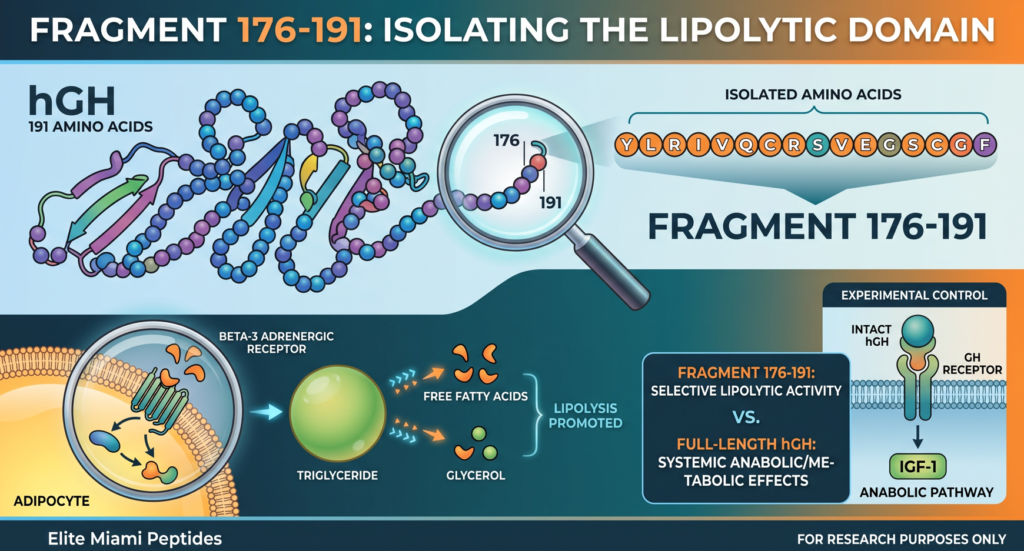
Human growth hormone (hGH) is a 191-amino-acid polypeptide that regulates diverse physiological processes, including cellular growth and metabolic function. Biochemical research over several decades has aimed to delineate the structural domains of hGH to clarify how specific regions mediate distinct biological effects. This work led to the identification of a 16-amino acid sequence at the […]
Exploring Thymosin Alpha-1: T-Cell Modulation and Immune Response Markers In Vitro
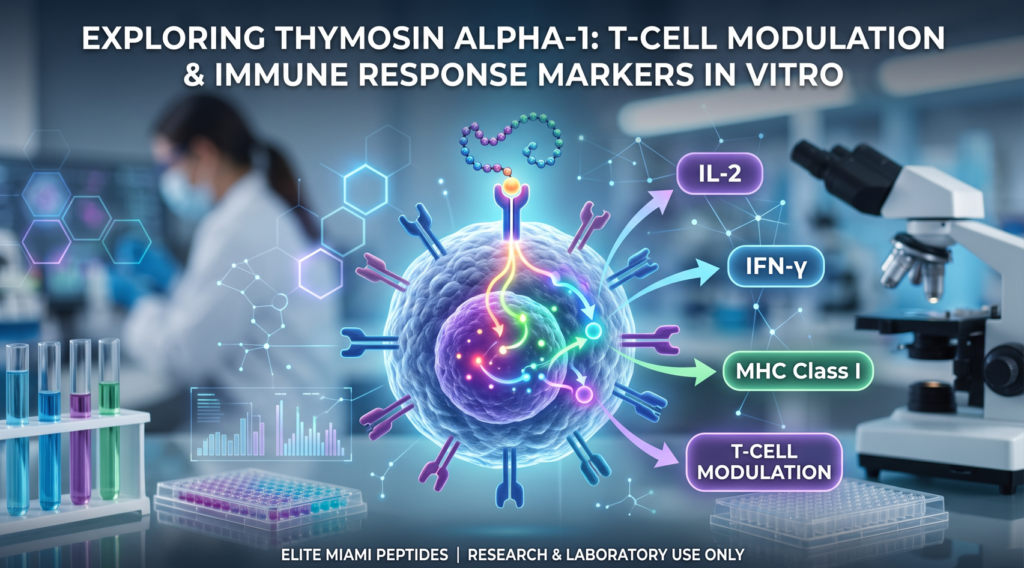
Elite Miami Peptides supplies high-purity compounds intended for rigorous laboratory investigation. Among these, Thymosin Alpha-1 (TA-1) is extensively studied within immunology and cellular biology research. Originally isolated from thymus gland tissue, TA-1 is a highly conserved 28-amino acid peptide. In contemporary laboratory settings, synthesized TA-1 is frequently utilized by researchers to observe cellular interactions, specifically regarding […]
Manufacturing Standards: cGMP Guidelines and Their Relevance to Research Chemical Purity
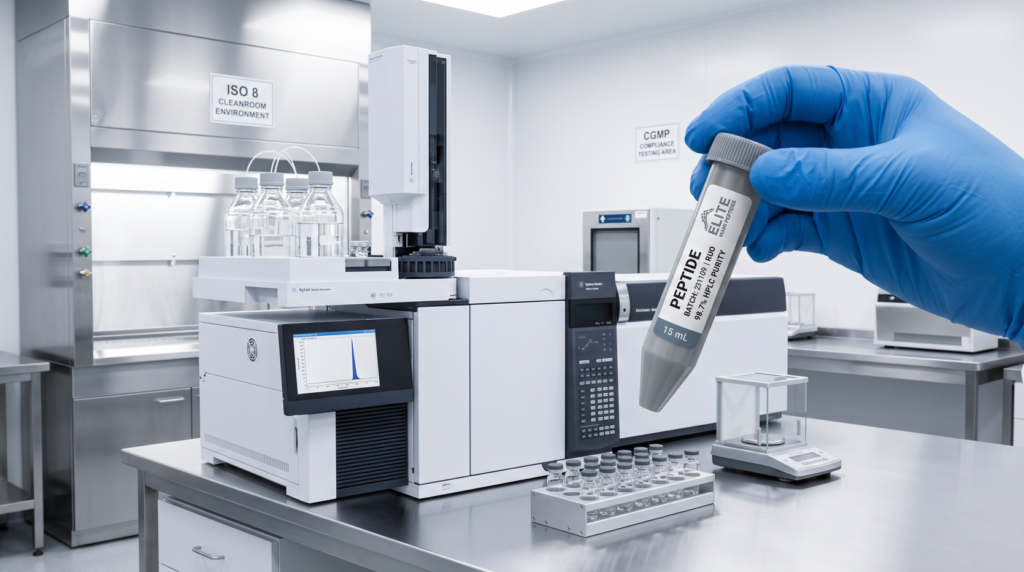
In the rapidly advancing field of synthetic biology and molecular research, the integrity of laboratory data depends on the quality of chemical reagents. For laboratories utilizing synthetic peptides in in vitro and in vivo (animal model) studies, purity is not merely a preference; it is an experimental necessity. Elite Miami Peptides is dedicated to providing rigorously […]
Finding a Reliable Peptide Sciences Alternative: Why Elite Miami Peptides is the New Standard for Research

The fact that Peptide Sciences closed suddenly on March 6, 2026, created a big gap in the research community. For many years the company had been well known for providing research-grade peptides to laboratories and independent researchers. Because of this closure, a number of people have had to rush to find a reliable alternative which […]
Exploring Epitalon: Telomerase Activation and Telomere Elongation in Somatic Cells

Since we offer high-purity peptides solely for use in laboratories and research, our emphasis is on the biochemical mechanisms which underlie modern scientific discovery. In today’s article we look at the molecular profile of Epitalon, a synthetic tetrapeptide that is frequently used in studies relating to biogerontology and cellular senescence. Disclaimer: The products offered by Elite […]
Hydrophobicity: Handling Peptides that Precipitate During Reconstitution
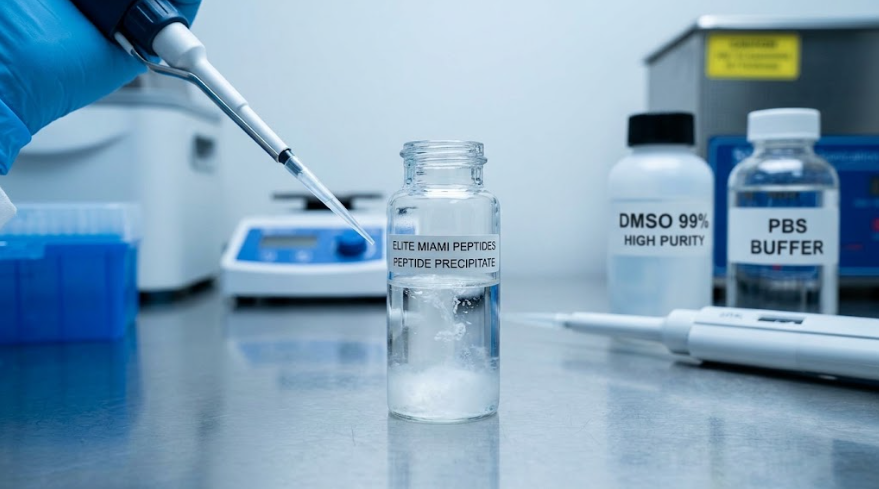
In in vitro laboratory research, obtaining a homogenous peptide solution is essential for accurate and reproducible assays. However, precipitation during reconstitution is a common challenge. When an aqueous buffer is added to lyophilized powder, the result may be a cloudy suspension or visible particulates instead of a clear solution. This issue is often caused by the […]
DSIP (Delta Sleep-Inducing Peptide): Localization and Blood-Brain Barrier Permeability Studies
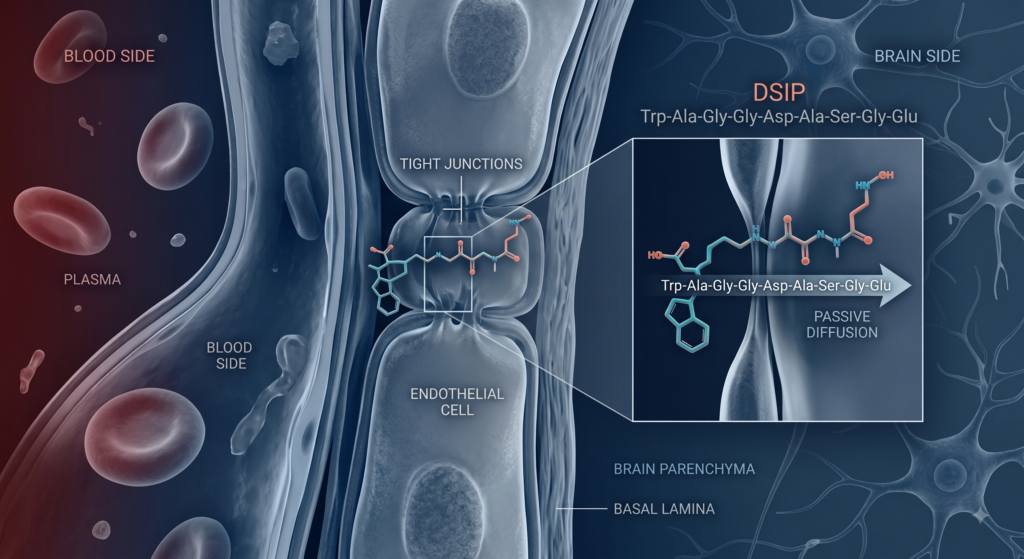
1. Defining DSIP as an Analyte in Neurochemical Research Delta Sleep-Inducing Peptide (DSIP) is a naturally occurring nonapeptide first isolated and characterized in 1974 during laboratory investigations of cerebral venous blood collected from rabbits undergoing experimentally monitored EEG slow-wave activity. In contemporary biochemical and pharmacological research, DSIP serves as a model analyte for investigating neuropeptide […]
NAD+ Metabolism: The Role of Peptides in Sirtuin Activation Pathways
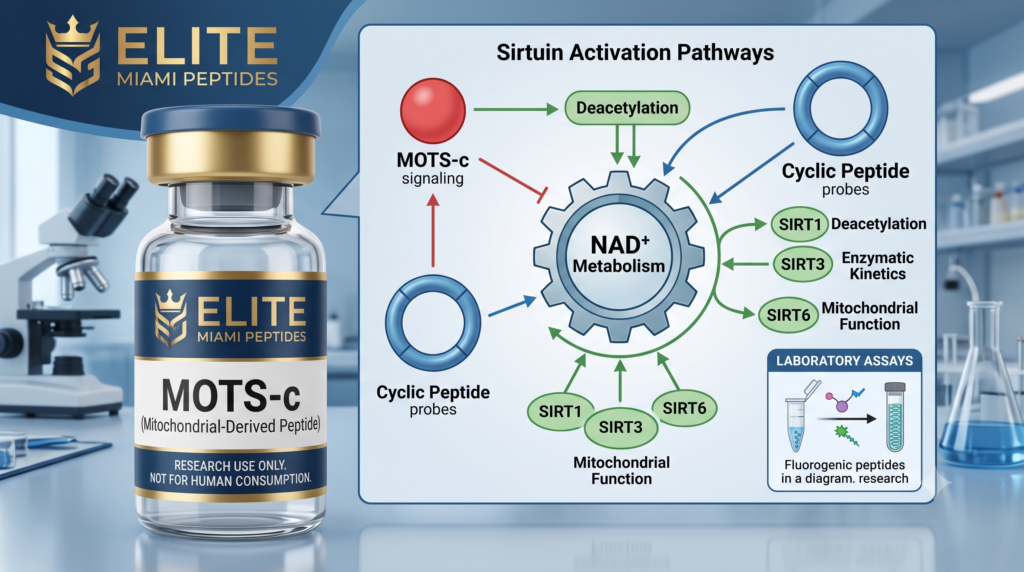
Investigating the molecular mechanics of cellular energy regulation has positioned the relationship between nicotinamide adenine dinucleotide (NAD+) and sirtuins at the forefront of metabolic research. Sirtuins operate as NAD+-dependent deacetylase enzymes that regulate complex metabolic processes by linking cellular energy status directly to gene expression responses. Because sirtuins require NAD+ as a necessary substrate for […]
Retatrutide: Investigating Tri-Agonism (GCGR, GIPR, GLP-1R) in Metabolic Studies
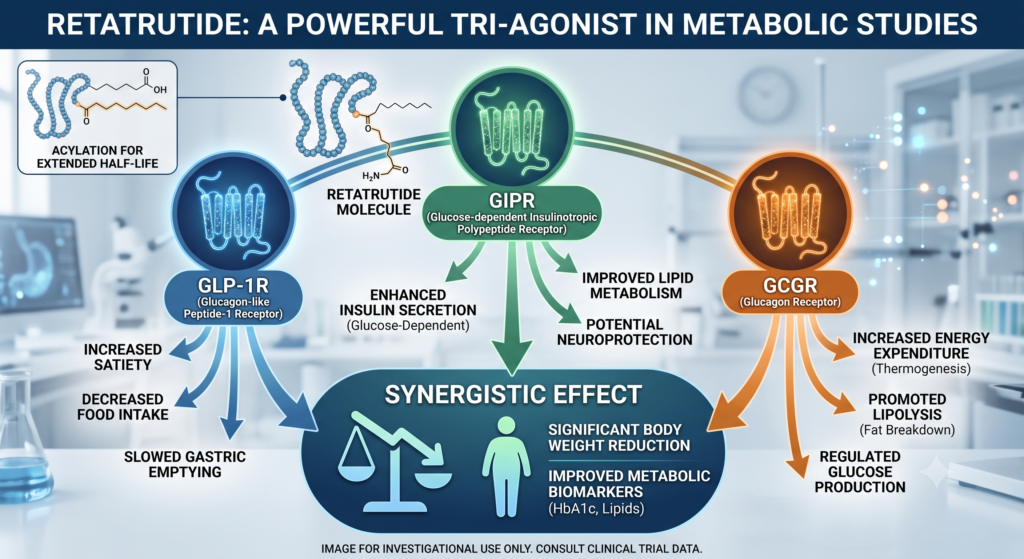
Metabolic and incretin research has advanced significantly over the past two decades. Initial studies focused on single-receptor agonists, such as GLP-1, before progressing to dual-agonist investigations. Current research emphasizes the synergistic effects of tri-agonism. Retatrutide (developmental code LY3437943) represents a leading example of this approach—a novel, single-molecule peptide engineered to activate three distinct cell-surface receptors: […]