
Best research peptides in 2026 are best evaluated through research relevance, documentation quality, supplier consistency, and fit for a defined laboratory objective. This guide is designed as an informational overview of widely discussed peptide research compounds and the criteria researchers often review before selecting materials for laboratory use.
All compounds discussed here are referenced strictly in a research context. This page is intended for laboratory research information only and not for human or animal use.
What Are Research Peptides?
Research peptides are short chains of amino acids used in laboratory settings to study receptor interactions, signaling pathways, metabolic mechanisms, cellular communication, and other biological processes. They are commonly referenced in preclinical and experimental contexts where purity, handling, documentation, and supplier consistency matter.
Because different compounds are studied for different mechanisms, there is no single best peptide in the abstract. A more useful question is which compound is most relevant to the pathway, model, or research objective being studied.
How To Evaluate Research Peptides
When comparing research peptides, the strongest evaluation criteria are usually technical rather than promotional. Useful checkpoints often include analytical verification, batch consistency, storage stability, supplier transparency, and category fit for the pathway being studied.
- Purity verification through methods such as HPLC or mass spectrometry
- Stable handling and storage expectations
- Consistent presentation across batches
- Clear documentation and concentration labeling
- Reliable supplier standards and fulfillment practices
Important Quality Standards
A strong research peptide page should emphasize quality standards before individual compounds. Documentation, consistency, and proper handling practices are more useful long-term than hype-driven ranking language. Pages built around standards also tend to age better in search because they provide durable informational value.
For a deeper analytical reference, see our HPLC and peptide purity guide.
Common Research Categories
Instead of thinking about compounds through human-use outcomes, it is cleaner and more useful to organize them by research category. On this site, the main public categories include:
- Metabolic Pathway Research
- Cell Signaling Research
- Hormone Signaling Research
- Neurochemical Signaling Research
- Mitochondrial Function Research
- Small Molecule Research Compounds
Widely Discussed Research Peptides In 2026
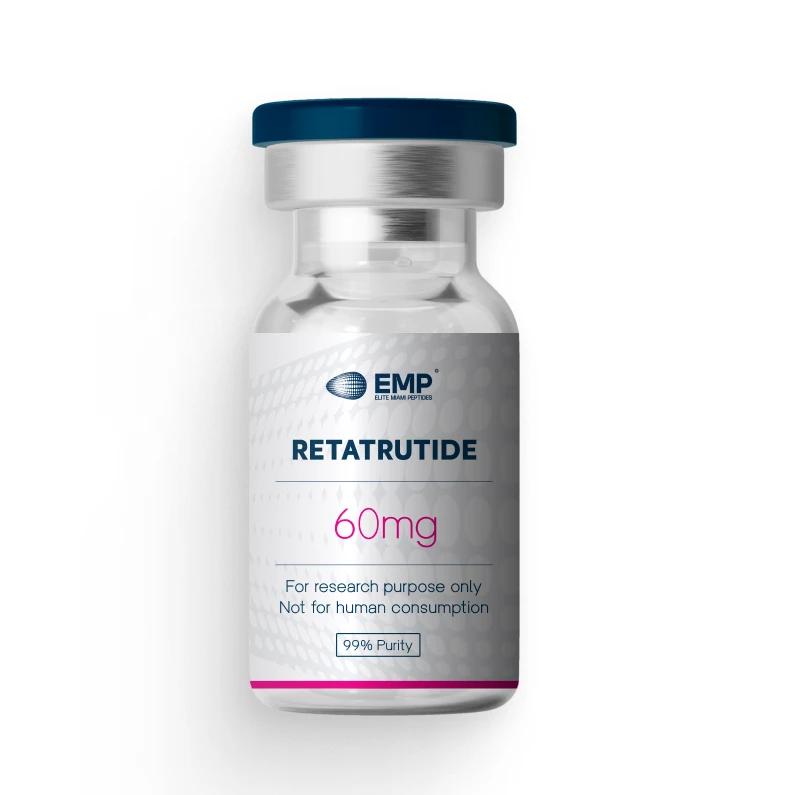
Retatrutide
Retatrutide is widely discussed in metabolic pathway research because of its multi-receptor profile involving GLP-1, GIP, and glucagon-related signaling.
Semaglutide
Semaglutide is commonly referenced in metabolic research discussions involving GLP-1 receptor activity and laboratory models focused on signaling pathways.
Tirzepatide
Tirzepatide is often included in discussions of dual-pathway metabolic signaling research because of its GLP-1 and GIP receptor relevance.
BPC-157
BPC-157 is frequently cited in research discussions involving signaling pathways and experimental models focused on cellular response.
TB-500
TB-500 is frequently discussed in signaling-focused laboratory contexts and is often compared alongside BPC-157 in research articles.
Tesamorelin
Tesamorelin is commonly grouped into hormone signaling research and growth-hormone-related pathway discussions.
MOTS-c
MOTS-c is frequently referenced in mitochondrial and cellular energy research models.
How To Choose A Research Supplier
When comparing suppliers, it is usually more useful to focus on testing standards, documentation clarity, consistency, and handling practices than on broad promotional claims. A strong supplier page should make it easy to review category fit, analytical standards, and supporting reference content.
Browse current compounds: Research Peptides
Related Research Guides
- Retatrutide vs Semaglutide
- Retatrutide vs Tirzepatide
- Semaglutide vs Tirzepatide
- BPC-157 vs TB-500
- HPLC and Peptide Purity
Final Thoughts
The best research peptides in 2026 are best understood in relation to the pathway, mechanism, and study design being evaluated. A stronger research guide helps readers compare compounds through documentation standards, category fit, and laboratory context rather than through vague ranking claims. That makes the page more useful for search, cleaner for site architecture, and more durable over time.